
Customs Union Reform and Visa Facilitations to Strengthen Trade
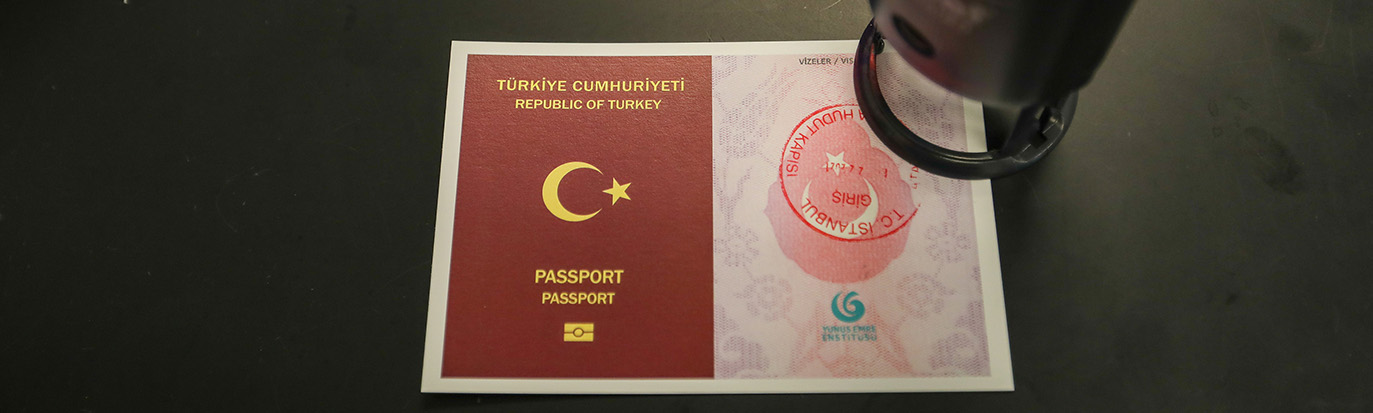
The President of the Istanbul Chamber of Commerce (ICOC) stated that visa procedures have become one of the main obstacles to trade between Türkiye and Europe. Emphasizing the long delays in Schengen visa applications, Şekib Avdagiç noted that single-entry and short-term visas significantly restrict business mobility. He underlined that expanding fast-track and multiple-entry visa practices would create strong momentum for trade, investment, and entrepreneurship.
Avdagiç also stressed that upgrading the Customs Union between Türkiye and the European Union has become indispensable. He stated that the current framework, established in 1995, no longer meets the needs of digitalisation, green transformation, and new production models. A renewed Customs Union incorporating sustainability, carbon footprint regulations, and digital customs practices would significantly enhance the competitiveness of business relations between Türkiye and the EU.
The Istanbul Chamber of Commerce (ICOC) has been hosting meetings between European Union commercial attachés and representatives of chambers of commerce. Upgrading the Customs Union and visa liberalisation have emerged as key topics during these discussions. In this context, President of the ICOC Executive Board Şekib Avdagiç conveyed messages highlighting a “win-win” approach to deepening business relations between Türkiye and European countries, expanding investment opportunities, and facilitating visa procedures.
TÜRKİYE’S PATH ALIGNS WITH EUROPE
Avdagiç emphasized the long-standing economic and cultural ties between Türkiye and Europe, stating: “Türkiye has oriented itself toward Europe for nearly a thousand years. Our political and economic routes align with Europe. European countries are our most important trade partners.” Avdagiç added that, as of 2024, approximately 40 percent of Türkiye’s total foreign trade has been conducted with European countries. Stressing that this ratio reflects Türkiye’s integration into the global economy, Avdagiç noted that strong historical ties form the foundation of economic relations, while facilitative measures are essential for long-term sustainability.
CONCRETE STEPS ARE NEEDED IN VISA PROCESSES
The long-standing visa challenges faced by the Turkish business community negatively affect bilateral trade volume. Avdag mentioned these difficulties and said, “The mobility of businesspeople is one of the most critical elements of foreign trade. However, delays and uncertainties in Schengen visa procedures hinder our commercial activities.”
He noted that company owners and executives are subject to lengthy and burdensome visa processes, adding that single-entry or very short-term visas significantly limit trade activities. Therefore, Avdagiç underlined the necessity of expanding fast-track and multiple-entry visa schemes for businesspeople.
Avdagiç also described the recent European Commission document aimed at facilitating visa procedures for Turkish citizens as “promising,” while emphasizing that the ultimate goal remains full visa liberalisation. Avdagiç added, “Removing visa barriers would provide a major boost not only to trade, but also to investment, tourism, and cultural interaction. Türkiye’s young entrepreneurs, technology startups, and exporting companies need much easier access to European markets.”
NEW INVESTMENT OPPORTUNITIES
Highlighting European countries’ direct investments in Türkiye, Avdagiç stated that European capital has played a crucial role in Türkiye’s economic transformation. ICOC’s President provided country-specific examples: “The Netherlands is Türkiye’s third-largest foreign investor. Italy has established strong production partnerships in the automotive and machinery sectors. Switzerland is active in pharmaceuticals and chemicals, while Belgium and Austria stand out in energy, logistics, and infrastructure investments. Sweden, meanwhile, is prominent in sustainable technologies.”
Avdagiç added that Türkiye has become increasingly attractive for investment in green transformation, digital infrastructure, and renewable energy. “Today, Türkiye is not only a production hub but also a strong center for technology- and innovation-based investments. When Europe’s industrial experience is combined with Türkiye’s dynamic production capacity, the direction of regional trade can be reshaped.”
THE CUSTOMS UNION MUST BE UPGRADED
ICOC President Avdagiç stressed the necessity of modernizing the Customs Union between Türkiye and the European Union. “The current structure, established in 1995, no longer reflects the realities of the digital era,” he said. “Today’s business environment is shaped by carbon footprint regulations, the European Green Deal, and AI-based production processes. The Customs Union must be harmonized with these developments.”
Avdagiç emphasized the importance of new protocols covering digital customs systems, blockchain-based supply chain monitoring, and incentives for carbon-neutral production.
“Türkiye’s green transformation goals must progress in parallel with Europe’s sustainability policies. This can only be achieved by redefining the framework of the Customs Union,” he added.
NEARLY 50 GLOBAL FAIRS ON FOUR CONTINENTS
Pointing to ICOC’s growing international role, Avdagiç stated that the Chamber has become one of Türkiye’s most active centers of business diplomacy. In this context, Avdagiç said, “ICOC hosts around 50 foreign trade delegations annually and organizes Türkiye’s national participation in nearly 50 international fairs across four continents. These efforts enhance Türkiye’s global trade visibility while strengthening Istanbul’s position as a global business hub.”
JOINT PROJECTS WITH BTM, TEKNOPARK ISTANBUL AND ICVB
Avdagiç noted that institutions founded by ICOC—such as the Istanbul Business Commercialization Center (BTM), Teknopark Istanbul, and the Istanbul Convention and Visitors Bureau (ICVB)—offer strong opportunities for joint projects with European partners. Avdagiç added, “We see significant cooperation potential in areas ranging from the startup ecosystem and high-tech industries to culture, tourism, and congress organization. We would like to move forward together in these fields.”
ACTIVE REPRESENTATION IN GLOBAL NETWORKS
Avdagiç added that ICOC plays an active role in international organizations including ICC, Eurochambres, ASCAME, and DCCF, enhancing the global visibility of the Turkish business community. Avdagiç commented in this regard, “ICOC is not only a chamber of commerce; it is also a key voice of Türkiye’s economic diplomacy. Through these collaborations, we are working to position Istanbul as a global meeting point for trade.”
Growing trade target between Türkiye and the EU
Strengthening trade volume has gained increasing importance in Türkiye–EU relations. According to the Ministry of Trade, the EU remains Türkiye’s largest trading partner, with bilateral trade volume exceeding US$ 200bn in recent years. Automotive, machinery, textiles, chemicals, and other industrial products constitute the backbone of this trade.
DIGITAL AND GREEN TRANSFORMATION
Economic authorities view the modernization of the Customs Union as critical for unlocking untapped potential. The proposed upgrade aims to expand trade to include services, digital commerce, and green transformation alongside goods trade. This step is expected to enhance Türkiye’s competitiveness in the EU market. Officials indicate that, if these structural reforms are implemented, Türkiye–EU trade could reach a higher and more sustainable level in the medium term. Concrete targets for 2025 and 2026 are expected to be clarified following the release of year-end foreign trade data.
Bilateral trade volume with the European countries (2024)
* Italy: US$ 32.2bn
* Netherlands: US$ 13.6bn
* Belgium: US$ 8.3bn
* Switzerland: US$ 12.8bn
* Austria: US$ 3.9bn
* Sweden: US$ 3.9bn